By Anil Srivastava and Joseph Teja
The ‘new normal’ for all of us in these days is viewing deep blue skies through the day, gazing stars at evening, waking up to the chirping of birds and the AQI hovering about liveable expectations which our metropolitan areas experienced not skilled in final several many years if not extra. The earth is training mankind the simplicity of everyday living which the human race experienced taken to unmanageable concentrations of complexities, even though it heals alone.
The pandemic is looming massive, everyday living in lockdown looks surrealistic which was unimagineable until finally it was declared, which caught us by surprise and devoid of adequate time to get ready for this form of crisis. The days forward are tough and we are not certain how prolonged this would final.
But whenever the program everyday living resumes, albiet gradually and slowly in a staggered maner, one particular point is selected – Life will not be the exact same as it was ahead of the pandemic struck the earth. We have been taught, almost certainly in the harshest way that with enhanced air and h2o high-quality, everyday living on earth has significantly enhanced not just for people but also for the flora and fauna about us, which experienced been degraded by our have initiatives for a quest for 24 x seven lifestyle, adopting lopsided growth versions, with complete disregard in the direction of ecology.
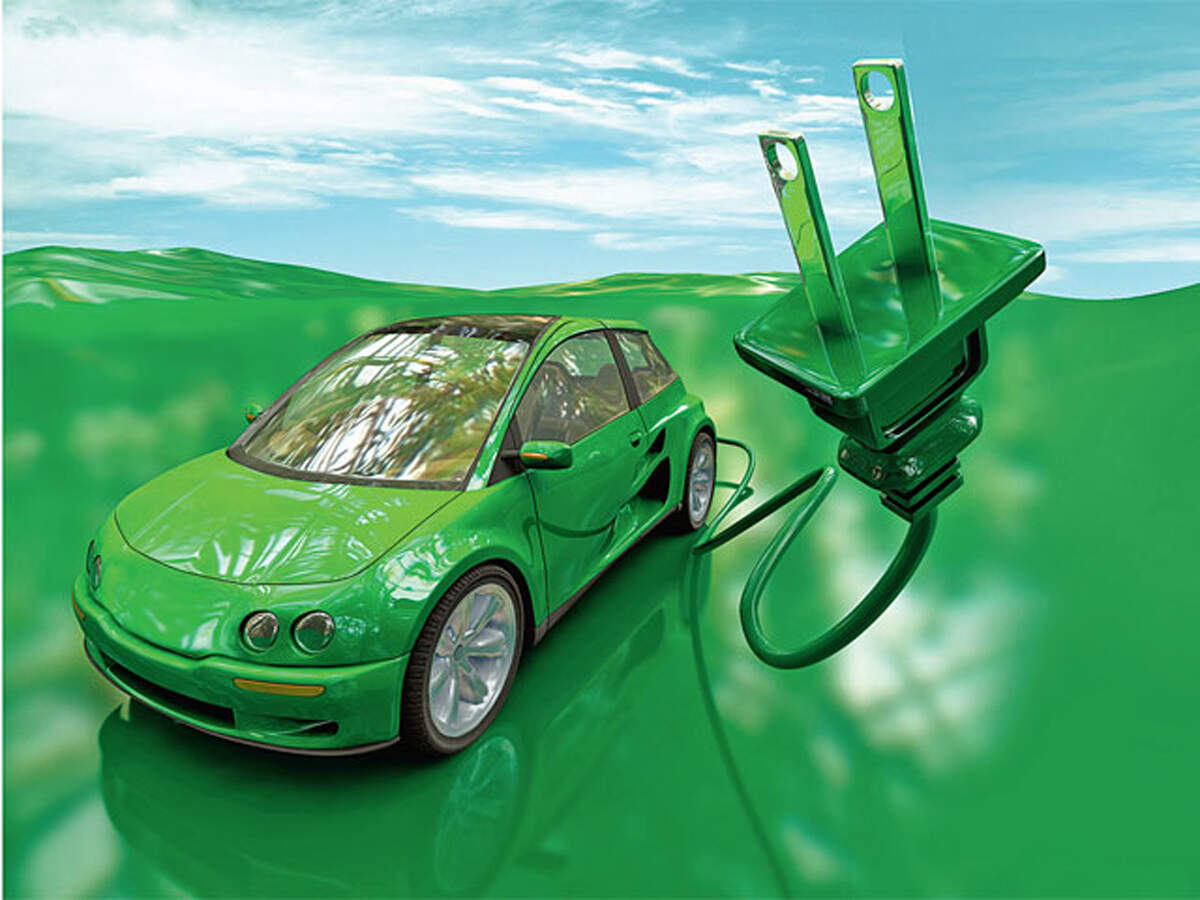
This is an prospect for us to modify our perspective in the direction of our environment, the setting and folks about us and to imagine of the impacts that our actions have on society and nation at massive. The selection is ours no matter whether we proceed to burn fossil fuels and pollute our air, h2o and land or to decide for cleaner, healthier and setting pleasant choices.
This could be a bit high-priced in the starting but with higher acceptability would turn into economical in thanks course of time.
Unavoidable technological improvements and disruptions are widespread globally in modern moments, all spheres of our life be it the way we function, vacation, shop, study or entertain ourselves. Mobility and economical logistics are the key drivers of the financial system and as a producing nation we want to embrace remedies that are sustainable and equitable for the masses.
India can leapfrog the western mobility paradigm of private-auto possession and make a shared, clean up, and linked mobility program saving 876 million metric tons of oil equivalent, value $330 billion (INR twenty lakh crore), and 1 giga-tonne of carbon-dioxide emissions by 2030. Changeover to Electric vehicles has the possible to minimize reliance on oil and present zero emission mobility for a cleaner setting.
There is a want for massive scale investments in mobile producing, in get to achive greater worth addition in the battery producing course of action in the nation.~
The swap more than to cleaner mobility remedies provides alternatives for producing throughout a selection of merchandise and providers these types of as electric vehicles, auto factors, batteries, EV chargers, charging infrastructure and building milions of positions throughout industries and capabilities concentrations.
The automobile and auto component sector lead substantially to the GDP (seven.1 and two.3{7e488363c11ee5ef50445c8c4fa770b6e6e4f99e57faea264a05ac52abb3ffe0}) and employs more than forty million folks. Contemplating that the number of factors in an EV is a fraction of people in ICE auto. There is an prospect for the sector to change supply chain to doemstic sources, reduce dependence on imports and produce the eco-program for inhouse worth addition throughout all tiers of producing, so giving the serious impetus to “Make in India”.
There is a want for massive scale investments in mobile producing, in get to achive greater worth addition in the battery producing course of action in the nation, given that batteries account for thirty-forty{7e488363c11ee5ef50445c8c4fa770b6e6e4f99e57faea264a05ac52abb3ffe0} of the value of EVs. We cannot ignore the point that India has attained important quantum of mobile cellular phone “manufacturing”, but the net worth addition is lower, as substantial worth electronic goods are all imported.
The scenario is not truly incredibly distinct for the automobile sector as nicely. It is time to find out from our previous knowledge and have a renewed target on innovation, style, progress and aggressive producing locally to not only meet the domestic demand from customers but earning use of the domestic dimension and scale to turn into a international chief. Make-in-India with Make-for-the-World need to be the new mantra.
We all have noticed the disruption that telecom sector has absent by way of, in a lot less than a generation’s time. The sctor has progressed from supplying primary mobile phone with the bare least providers to the Smartphone revolution along with the rollout of successive generations of Wi-fi Systems. A swap more than from regular ICE to clean up electrical power vehicles is an ineviteable disruption extra so in look at of the COVID pandemic given the international motivation to health and fitness and setting.
New entrants are faster to adopt new systems and supply impressive company versions to make values for buyers. These are tough moments for the sector to shed its archaic wondering course of action and target on innovation to make smartest moves to surf the wave of modify sweeping the earth.
This provides the prospect to move forward with a renewed perspective and divert means to produce supply chains for cleaner mobility. ‘Health is Wealth’, stands very good in these testing moments, professional-energetic methods in the direction of ‘Zero Emission Vehicles’ will provide mileage as it adds ‘health and wealth’ to the nation.
It’s a selection we all have to make for our have life! Methods to transition in the direction of ‘
a new normal’ need to be in sync with character, in just the limits of Earth’s systems and backed by community health and fitness criteria to guarantee sustainability for everyday living on earth. Might we not loose the sight!
The authors are Anil Srivastava, Principal Advisor & Mission Director, NITI Aayog and Joseph Teja, Youthful Expert NITI Aayog.
(DISCLAIMER: The views expressed are only of the authors and ETAuto.com does not automatically subscribe to it. ETAuto.com shall not be responsible for any problems prompted to any individual/organisation directly or indirectly.)
About the Author